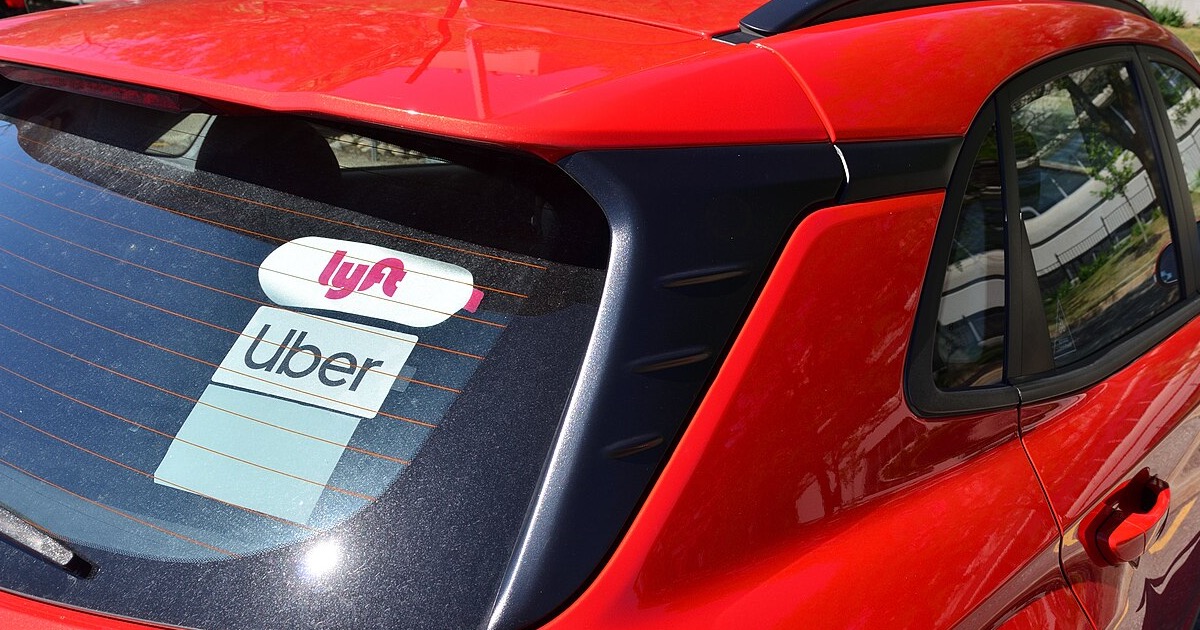
On Monday night, I needed an Uber to get my fiancée to the emergency room, and I was trying to decide whether to bring Canine Companions® Lovey.
It was around 7:30, raining heavily, and she couldn’t drive. I can’t drive either, so I checked both Uber and Lyft or whichever could get to us faster. Meanwhile, I was doing a calculation I’ve gotten very good at: do I bring Lovey, and what happens if a driver refuses us?
We didn’t know how long we’d be at the hospital. Bringing her would mean having her task assistance with me and being able to manage her care along the way. But my fiancée needed medical attention, and I couldn’t risk spending time arguing with a driver or requesting another car in the rain, so I left Lovey home.
By then, I’d been awake since 5 a.m. I was stressed, exhausted, and without my wheelchair. Lovey could have retrieved things I dropped and helped with tasks that take more out of my body when I’m tired. My fiancée was the person who needed care, so the little things I might normally ask her to help with were also off the table.
I could focus on her once we arrived, but I still had to think about the situation I’d left at home. How late would we be? Would I need to ask someone nearby to let Lovey out? Leaving her behind created another set of logistics to manage from the hospital. I shouldn’t have to triage my own support systems while trying to address a crisis. But I’ve gotten really good at it, often under pressure, because I’ve had to.
That’s what I’m thinking about as the U.S. Department of Justice sues Lyft over alleged discrimination against passengers with service animals and mobility devices. I’m named in DOJ’s lawsuit against Uber, and I spent years documenting refusals and helping establish how persistent this problem is. I’m glad to see enforcement continue. I also still have anxiety when I need a ride with Lovey.
Monday’s Uber trip was successful. We got there, and no driver refused us. The trip record won’t show that I left Lovey home because past experience made bringing her feel like a risk I couldn’t afford. If I’d trusted that she would be accepted, she would have come.
I want these lawsuits to produce lasting change, and I want to experience enough uneventful rides with Lovey that I can begin to trust rideshare when I need it. Right now, I’m still calculating whether I have time to deal with a denial before I even open the app.